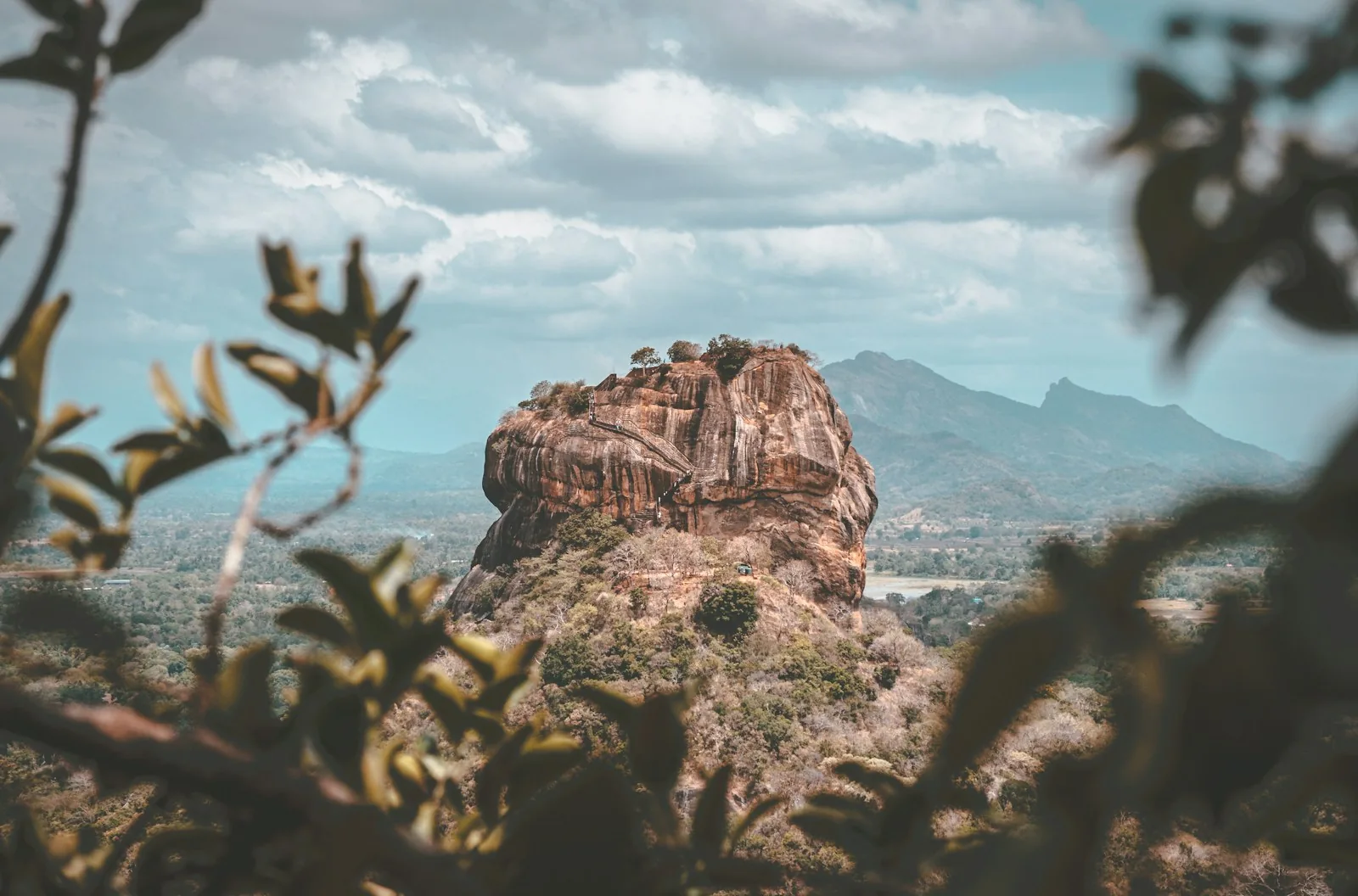
01 · Overview
Getting started with Ceylon
Sri Lanka rewards travelers who move with intention. The island is compact —
roughly the size of Ireland — yet landscapes shift quickly from misty tea
country to dry-zone jungle, colonial forts, and palm coastlines. Distances
look short on a map; travel times are longer because roads wind through hills
and villages.
Local insight: Build buffer days. A “three-hour drive” can
become four or five with traffic, rain, or a temple stop that deserves lingering.
- Most visitors combine Cultural Triangle + hill country + south or east coast.
- Private chauffeurs remain the most flexible way to cover multiple regions.
- English is widely spoken in tourism areas; a few Sinhala or Tamil greetings are warmly received.
- Currency is the Sri Lankan Rupee (LKR). Cards work in cities and larger hotels; carry cash for rural stops.
02 · Seasons
Best time to visit Sri Lanka
Sri Lanka has two monsoon systems. Choosing the coast that is
in its dry window matters more than chasing a single “perfect month.”
West & south coasts + Cultural Triangle
Best: roughly December–March
Ideal for Colombo, Galle, Mirissa, Unawatuna, Yala approaches, Sigiriya,
Anuradhapura, and Polonnaruwa. January–March is peak demand — book early.
East coast
Best: roughly May–September
Trincomalee, Nilaveli, Pasikudah, and Arugam Bay shine when the southwest
is wetter. Whale watching windows differ by coast — ask locally for the season you travel.
Hill country (Kandy, Nuwara Eliya, Ella)
Visit: year-round
Cooler evenings year-round. Expect mist and rain showers anytime. February–April
is popular for clearer views and tea-country walks.
Shoulder months (April, late November) can offer softer pricing
with mixed weather. Always check current forecasts before beach or safari days.
03 · Itineraries
Planning & pacing
Suggested trip lengths
- 7–8 days: Cultural Triangle highlights + Kandy or Ella + one coast.
- 10–12 days: Triangle + hill country train + south coast + one safari.
- 14+ days: Add east coast, Wilpattu or Udawalawe, and slower tea-estate stays.
Smart sequencing
- Arrive Colombo / Negombo → Cultural Triangle (Sigiriya / Dambulla / Polonnaruwa).
- Continue to Kandy → scenic train toward Ella / Nuwara Eliya.
- Descend to the south coast (or east coast in season) for beaches and wildlife.
- Return via Galle Road or Southern Expressway to the airport.
Prefer a route built around your pace, interests, and season?
Request a private itinerary — we design around you, not a package catalogue.
04 · Practicalities
Entry, money & connectivity
Entry requirements
Many nationalities require an Electronic Travel Authorization (ETA)
or visa before travel. Rules change — always verify with the
Department of Immigration and Emigration of Sri Lanka or your
nearest embassy before you fly. Passport validity of at least six months is commonly expected.
Money
- Withdraw LKR from bank ATMs in cities; notify your bank before travel.
- Keep small notes for tuk-tuks, tips, and village shops.
- USD / EUR are sometimes accepted at hotels; rates are usually better in LKR.
- Tipping is appreciated: ~10% in restaurants if service isn’t included; small tips for drivers and guides are customary.
Connectivity
Local eSIMs or airport SIMs (Dialog, Mobitel, Airtel) are straightforward.
Coverage is strong in towns; jungle and remote hill roads may drop signal.
06 · Culture
Culture & temple etiquette
Buddhism shapes daily life for many Sri Lankans. Sacred sites — from the Temple
of the Tooth in Kandy to quiet village dagobas — deserve quiet respect.
- Cover shoulders and knees at temples and kovils; carry a light scarf or sarong.
- Remove shoes and hats before entering shrine areas.
- Do not pose with your back to Buddha images or climb on ruins for photos.
- Ask before photographing people, monks, or ceremonies.
- Public displays of affection are best kept discreet outside beach resorts.
- Use your right hand when giving or receiving items where traditional etiquette applies.
Friday prayers and festival days (Poya full-moon holidays) can close alcohol sales
and increase temple crowds — plan around the lunar calendar if possible.
08 · Stay sharp
Common scams to be aware of
Sri Lanka is generally welcoming, and most interactions are genuine. A few
patterns recur in tourist corridors — awareness is enough to sidestep them.
Inflated tuk-tuk & taxi fares
Ask hotel staff for a fair range, agree the price before boarding, or use
reputable apps/hotel cars. “Meter broken” is a classic line.
Gem & jewellery pressure
Unsolicited offers of “government gem stores,” “export quality for cheap,”
or “special friend price” are red flags. Buy only from established dealers
if you shop at all — and never feel rushed.
Unofficial temple / station “helpers”
Friendly strangers may insist tickets are sold out, then offer a paid workaround,
or attach themselves as guides. Use official counters and politely decline.
Bait-and-switch rooms or tours
Book through trusted platforms or a known operator. If a driver claims your
hotel is “closed / flooded / full,” call the hotel yourself before switching.
Photo & spice garden commissions
Some stops are lovely; others exist mainly for commission. Enjoy curated
experiences arranged by your host rather than every roadside invitation.
Traveling with Mithila means your chauffeur, hotels, and activities are
pre-vetted — fewer negotiations, clearer prices, quieter days.
Start your inquiry.
12 · Cuisine
Food & drink
Sri Lankan cuisine is aromatic rather than uniformly “fiery.” Rice and curry spreads,
hoppers (appa), string hoppers, kottu roti, fresh seafood, and Ceylon tea define many journeys.
- Ask for spice level “mild / medium / Sri Lankan hot” — hosts will adjust.
- Vegetarian and vegan dishes are abundant; communicate allergies clearly.
- Street food is wonderful when stalls are busy and food is cooked to order.
- King coconut (thambili) is a classic roadside refresher.
- Alcohol availability may be restricted on Poya days.
15 · Respect the island
Travel responsibly
- Choose wildlife experiences that keep animals wild — avoid rides and shows that exploit elephants.
- Reduce single-use plastic; many hotels refill bottles.
- Stay on marked paths at heritage sites to protect fragile ruins and frescoes.
- Buy crafts directly from makers when you can; fair prices sustain communities.
- Be a quiet guest in villages — drones and loud speakers don’t belong at sacred or residential places.
Guidance reflects widely accepted traveler practice as of 2026. Always reconfirm visas,
park openings, and weather close to departure — conditions and regulations can change.